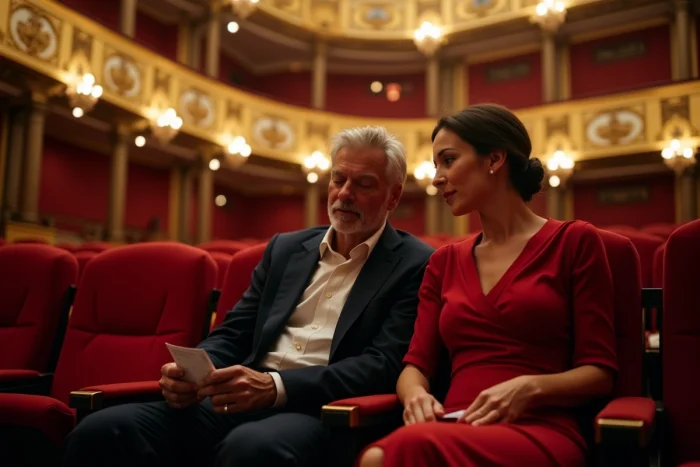
Row K of the Théâtre du Palais Royal often sells out even before the first boxes. Some regulars prefer the central orchestra for its acoustics, despite a price that can sometimes exceed that of the balconies. The seats in the box, although further away, offer an unobstructed view rarely mentioned during booking. Seating choices vary significantly depending on the configuration of the show and the specific needs of each spectator. Several tips can help avoid blind spots or slight delays imposed by the historical pillars of the hall.
What to know about the venue and its features
The Théâtre du Palais Royal is unlike any other. With its elegant looks inherited from the 18th century and the intimate feel of its auditorium, this place attracts discerning theater lovers. The acoustics are precise and enveloping, with monologues flowing as well as musical sketches. However, the oval configuration of the hall holds a few surprises: what seems optimal from one row can turn into a compromise in the neighboring row.
Slightly elevated, the stage ensures a consistent experience for most orchestra seats, except on the sides, where some large shows impose areas with reduced visibility. There, the scenography or subtle lighting effects can take precedence over viewing comfort.
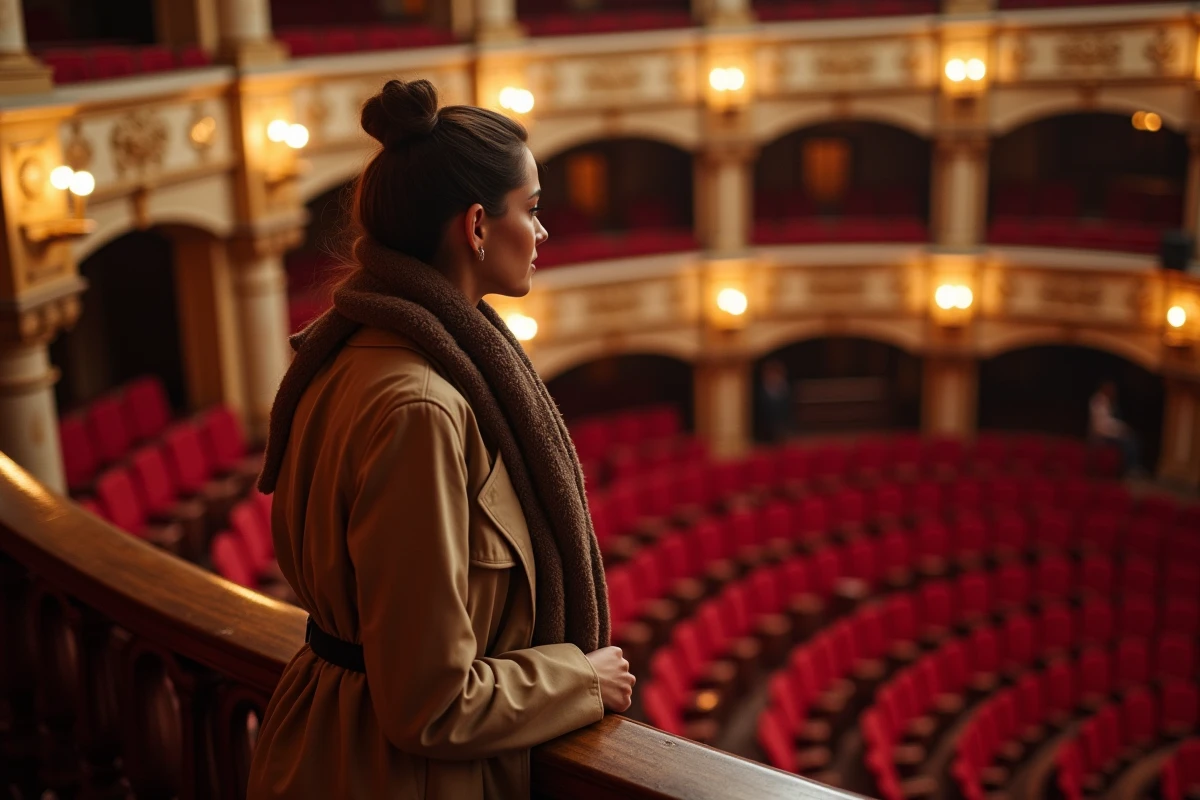
On the balcony side, two levels provide overlapping viewpoints. While the panorama is impressive, a few seats located just behind the balustrades reveal the hidden side of the venue: truncated angles, ornate cornices sometimes obscuring the upper sets, and the omnipresent balustrade. The box, especially in the center, offers a valuable compromise with its controlled distance, without losing proximity to the stage.
Before confirming your reservation, it’s wise to rely on this seating plan known to regulars. In this regard, the site best seats at the Théâtre du Palais Royal provides useful insights on the positioning to favor: the heart of the orchestra and the first rows of the box stand out clearly, but the ideal varies depending on the play. One rule of thumb: scrutinize the hall in detail, as each show shapes its share of surprises and redraws perspectives.
What criteria to prioritize for a tailored experience?
Choosing your seat at the Théâtre du Palais Royal is a strategic game. There is no fixed formula: it all depends on your expectations, the type of show, and sometimes, personal rituals developed over the evenings.
To navigate this, here are the main criteria to consider before making your choice:
- Field of vision: Leaning into the front rows of the orchestra means betting on raw immersion. Every movement, every change of set, everything happens live. Sometimes, proximity can lose the necessary distance, but the intensity is guaranteed.
- Acoustics: The center of the hall concentrates the best sound uniformity. However, in some side balconies, a slight sound delay or reverberation effect may arise, a legacy of the venue’s historical charm.
- Comfort and accessibility: The boxes attract with their confidential atmosphere; each guest feels privileged there. In the box, the plunging view combines with a sense of communion with the entire hall.
Booking in advance multiplies possibilities, especially during popular shows or when a renowned production is on the bill. Some would not trade their favorite seat for any other, as each viewpoint reveals an unexpected facet of the play. Over the evenings, everyone refines their choices, collects tips, and constantly reshapes their spectator trajectory.
Recommended locations based on your desires and budget
The range offered by the Théâtre du Palais Royal covers all desires and adapts to many situations. The boldest opt for the orchestra, closest to the stage: here, there is no protective distance; all the emotion reaches you unfiltered. Every detail takes on striking relief, from expressions to silent exchanges between actors.
For those who prefer control and an overview, the central box serves as a command post. The entirety of the scenography is revealed there, understanding of the performance broadens, without the magic of the representation fading. Some directors, notably Alexis Michalik, seem to conceive their creations from this vantage point.
The balcony, often associated with economical solutions, is worth a visit for its relaxed atmosphere. On the sides, the views sharpen; the experience then takes a different turn, where the conviviality of the audience resonates with the uniqueness of the venue.
A final alternative exists for those attracted by the cozy side: the side boxes. They cultivate the discreet charm of old-fashioned theater, away from the crowd. But the view really depends on the evening’s scenography, and sometimes, the show is performed with a piece of set missing. Always checking the seating plan remains the best way to avoid disappointment.
Every evening, as spectators settle into their seats, they discover the hall like a new face. Depending on the show, everything changes, and the alchemy of the Palais Royal continues to spark curiosity. Where will you be the next time the curtain rises?