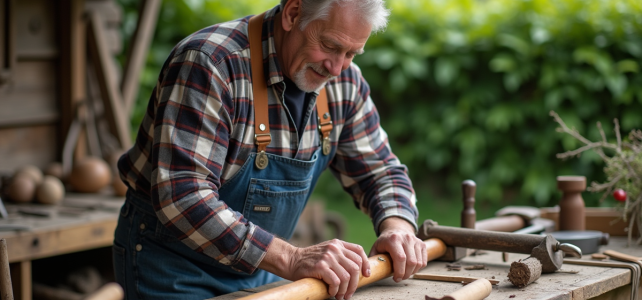
A broken broom handle doesn’t always end up in the trash. Many gardeners transform everyday objects into effective tools, often more suited to their needs than those available commercially.
Simple solutions allow for savings on purchasing equipment and help reduce waste. Adapting one’s own tools also fosters creativity while meeting specific demands of the terrain.
Why investing in homemade gardening tools changes the game for your green space
Making your own tools goes well beyond DIY. It starts with the careful selection of materials: observing the texture of the soil, considering the type of plants, assessing the size of the vegetable garden. Every action, every adaptation, encourages a better understanding of what the earth truly demands. Shaping a rake from locally found wood, recycling a worn board into a sieve, repurposing a bucket into a watering can: these actions reflect a heightened awareness of the realities of the terrain, the needs of the season, and the structure of the garden.
The making of a lawn roller is a perfect example. Flattening a plot, compacting seedlings, all of this becomes possible by starting with simple and sturdy materials. This guide details how to choose the wood, assemble each piece, and match the tool to the nature of the soil. Nothing is left to chance.
Custom DIY makes sense: the length of the handle adapts to the movement, the type of wood withstands moisture, and repurposing materials becomes a habit. This involvement also calls for caring for the tools: sharpening a blade, oiling a handle, repairing rather than replacing. This direct connection between the artisan-gardener and their land transforms every action into a thoughtful act. The vegetable garden, the lawn, the flower beds benefit from this attention. Making things oneself values the raw material, limits dependence on industrial objects, and nourishes the life of the soil.
Creative ideas and simple tips for making your gardening essentials with reclaimed materials
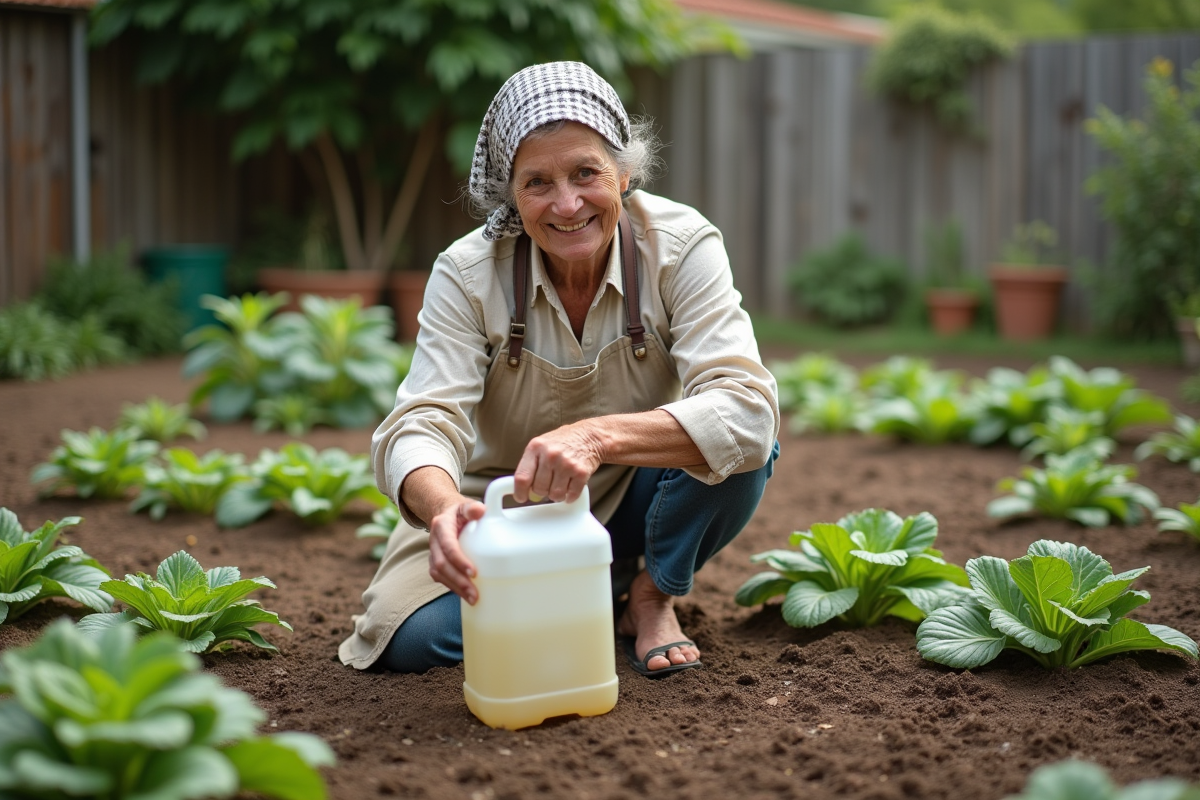
Constraints drive ingenuity, especially when one gets their hands on reclaimed wood, like those pallets that accumulate behind warehouses. They quickly become the basis for useful tools to make yourself. With a few well-chosen planks, it’s easy to create a sturdy compost bin or custom stakes to support tomatoes and beans. Larch withstands the seasons without faltering, especially if one remembers to nourish the wood with natural oil at regular intervals. The result holds up, even in the rain.
To protect the vegetable garden and preserve the soil, a forgotten plastic tarp can become a vegetable tunnel. A few PVC tubes, a drill, and some sturdy wire, and the shelter takes shape, ready to protect seedlings and young plants from the whims of the weather.
Here are some concrete examples to make use of reclaimed materials in the garden:
- Make a hand shovel: cut a used plank, sand it carefully, drill a hole to attach a reclaimed handle, and it’s ready for years of service.
- Transform an empty bottle into a drip watering can, perfect for gradually distributing water at the base of delicate plants.
- Use an old tarp to create sturdy bags, useful for transporting fallen leaves or organic matter from the compost.
Precautions are necessary during cutting and assembly: goggles, gloves, and checking stability before any use. For daily maintenance, a mixture of vinegar and baking soda is enough to effectively clean the tools. Far from being a mere stopgap, reclaiming encourages a reevaluation of the relationship with materials, soil, and the seasonality of the garden, while limiting reliance on new items. The experience, both practical and inventive, ultimately shapes a green space in its own image, where each tool tells a story and meets a specific need.