15% growth while fashion is slowing down elsewhere: Mango is moving full speed ahead, shaken by uncertainties but embedded in a conquering dynamic. The Spanish brand is no longer just enduring; it is charting its own course. By 2025, Mango is among the top ten European giants in the sector and continues its expansion in Asia, where many others are bogged down or stagnating.
Among customers, the feedback is mixed. Some applaud the improvement in service, while others are left wanting in terms of quality or grow impatient with a sometimes overwhelmed after-sales service. At the same time, industry experts keep a close eye on the omnichannel strategy being deployed: an increase in physical stores and the growth of digital services. Mango juggles between local experience and web innovation, without choosing a side.
Further reading : The Unexpected Benefits of Living in Bagneux: Environment, Services, and Quality of Life
Mango in 2025: visible transformations, reaffirmed ambitions
In 2025, Mango shows a solid course: the threshold of 3.1 billion euros in revenue has just been crossed. In France, the brand uses Paris as a testing ground, experimenting with new store concepts and refining every step of the customer experience. Internationally, the network is expanding and the digital presence is growing, reflecting a desire to reach an ever-wider clientele.
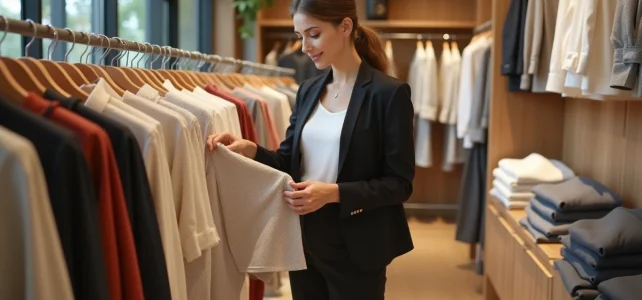
The Med concept has established itself as a signature: intense light, raw materials, simplicity of forms. This aesthetic is not just a decorative choice; it shapes a streamlined, rethought in-store experience: fewer unnecessary items, more space, a direct relationship with the collections. The goal? To offer a journey that breathes, where the customer is never overwhelmed by the offer.
Related reading : All the sports news, results, and analysis for sports enthusiasts
Under the leadership of Toni Ruiz, Mango has intensified efforts on product traceability and eco-responsibility. Recent collections increasingly feature recycled polyester and renewable cellulose fibers: growth is now coupled with environmental consideration.
To explore in detail the strengths, weaknesses, and prospects of the brand this year, see this comprehensive review of Mango 2025. Some analysts assert: if Mango is standing out, it is also due to this bet of reconciling stylistic boldness, commercial efficiency, and a genuine concern for sustainable development.
What customers say about their Mango experience
Customer feedback in 2025 paints a picture of a brand in motion, with its advances and pitfalls. Many appreciate the variety of collections and the perceived fit of the clothing: the offer is appealing, even if size management remains, at times, improvable, with launch periods and high demand sometimes leading to stockouts or limited choices.
The speed of delivery pulls Mango upward: orders often arrive early or right on time, rarely damaged. However, after-sales service faces criticism: lengthy delays for refunds or exchanges, cumbersome return processes, and a feeling of talking into a void when trying to reach a representative. Delivery issues, particularly with Chronopost, have led to complaints about delays or a lack of transparency in tracking.
To clearly understand customer sentiment, here is a concise summary of three often-mentioned points:
- Mango star ratings: the brand regularly scores between 3.5 and 4 out of 5, according to rating sites.
- Items received: overall, the products match the order well, which reassures about the site’s reliability.
- Size: the fit is often suitable, but depending on the models, a return or exchange may be necessary.
The shopping experience is improving, but post-purchase follow-up remains clearly under scrutiny. Many are now expecting increased responsiveness and a customer service capable of responding quickly and accurately.

Why Mango remains one to watch in 2025: our viewpoint
For Mango, 2025 marks a pivotal moment. Under the leadership of Toni Ruiz, the brand is strengthening its offer and broadening its horizons. Now, adult fashion coexists with children’s clothing and casual capsules, while highlighting materials with low environmental impact. Recycled polyester and cellulose from responsible sources are no longer just superficial marketing arguments; they embody a fundamental change.
The transformation of Mango in 2025 revolves around several key axes:
- CSR: emphasis on more responsible materials and rational manufacturing.
- Quality-price: Mango maintains a fair balance between accessible prices and increasing attention to details and finishes.
- Experience: new store concepts, like in Neuville-en-Ferrain, rethink the welcome and journey for a smoother and more enjoyable visit.
The integration of digital and physical is no longer a stance but an operational reality. Teams are refining the customer journey, coordinating channels to limit delays, and targeting peak activity periods, such as Black Friday, with robust systems. Innovation is becoming tangible, and social/environmental expectations are better calibrated.
Mango now addresses demanding consumers: those who want affordable, desirable clothing that aligns with tangible values. The brand is present, adjusting its performance season after season between efficiency, creativity, and commitment. This year, it’s hard not to see Mango as one of the new faces of the balance between style, values, and modernity. And could this sustainable dynamism shape the future of European fashion?